
Knowledge base · printed packaging
Printed Packaging Boxes and Brand Colour Control - ink systems, coatings, proofing, and approval steps.
A practical procurement guide for buyers comparing materials, print, protection, lead time, and reorder planning before approving production.
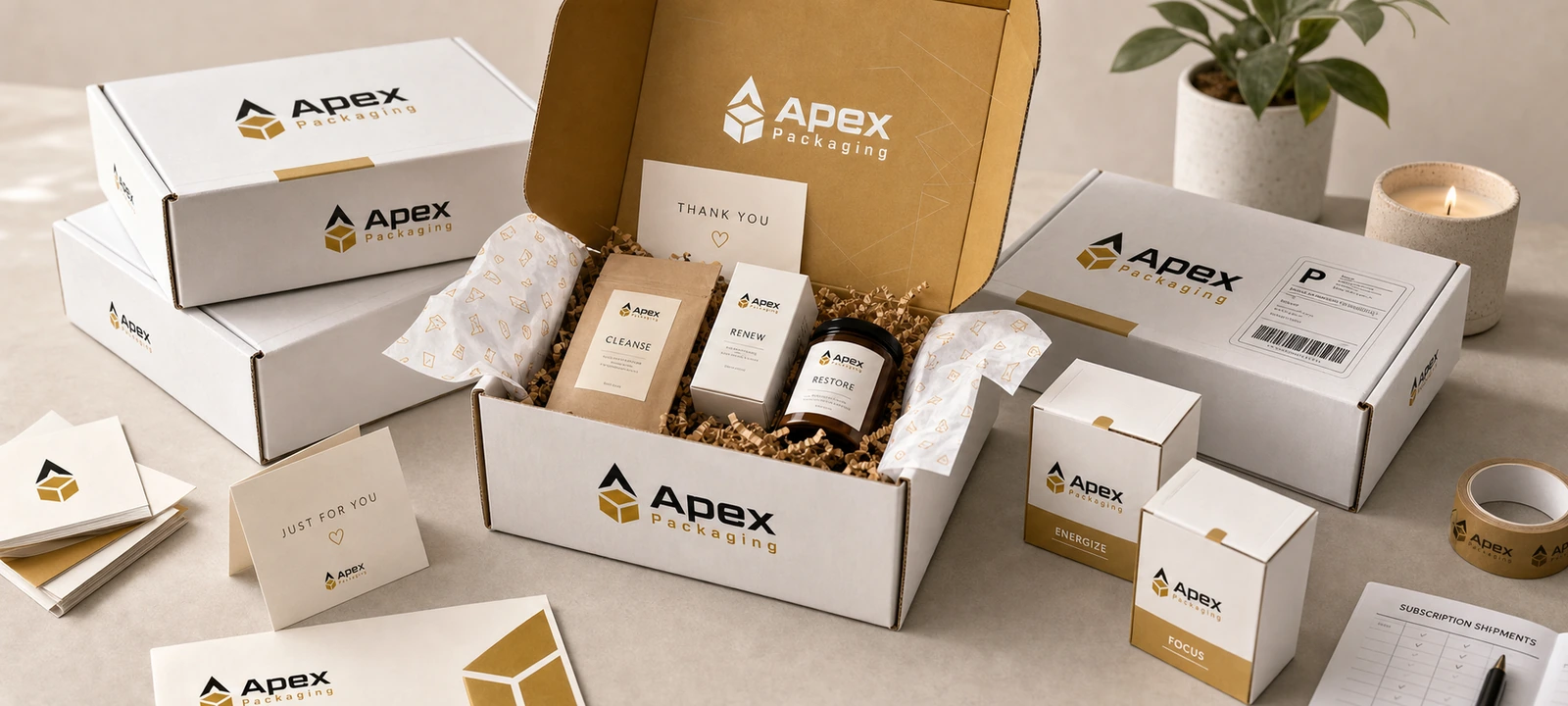
printed packaging boxes decisions work best when the buyer defines the product, the sales channel, and the handling route before asking for pricing. A low first quote can become expensive if the material scuffs, the carton is hard to pack, the artwork needs revision, or the package fails during shipping.
Apex Packaging Solutions supports buyers in the USA and Canada with custom packaging programs that connect structure, material, print, and delivery planning. This guide explains the practical details to confirm before approving printed packaging boxes for a launch, reorder, or multi-SKU program.
Start with the product and the route
The product shape, weight, surface finish, and fragility should guide the packaging format. A small retail product, a subscription shipment, a palletized industrial part, and a premium gift set each need a different balance of protection and presentation. Buyers should also identify whether the package ships parcel, LTL, pallet, courier, or retail distribution.
That route affects board grade, film gauge, closure method, insert style, and label placement. When the route is unclear, suppliers have to guess, and those guesses usually create revisions later.
Confirm material and print expectations early
Material choice affects cost, strength, appearance, and lead time. Corrugated board, paperboard, rigid board, LDPE film, HDPE film, molded pulp, and foam each solve different problems. Print method also matters. A simple one-colour shipper is not quoted the same way as a full-colour retail carton with coating, foil, or tight colour matching.
If artwork is already prepared, send dielines, colour references, barcode locations, and any finish notes. If artwork is not prepared, review packaging design support before finalizing the quote so the structure and design are built together.
Use samples when fit or presentation matters
Samples are helpful when the product is fragile, the insert fit is close, the retail face must be checked, or the package is a first launch. A sample can reveal packing friction, label conflicts, weak closure points, or artwork issues before production. It is also useful when a buyer is comparing two material options that look similar on paper.
For repeat orders, the approved sample becomes the benchmark. Keep notes on board grade, dimensions, print method, finish, and packing instructions so reorders do not drift from the original approval.
What to send before requesting a quote
- Product dimensions, weight, photos, and any fragile or scuff-sensitive areas.
- Preferred packaging format, or permission for Apex to recommend one.
- Artwork files, colour expectations, label zones, and barcode placement.
- Quantity, launch timing, reorder frequency, and delivery destination.
- Material preferences, sustainability requirements, or compliance notes.
- Shipping route, pallet pattern, carrier method, and whether samples are needed.
How to compare quotes fairly
Packaging quotes should be compared by total fit, not just unit price. Check whether each quote includes the same material, size, print coverage, tooling, sampling, freight assumptions, and lead time. A lower unit price may not help if it excludes a needed insert, uses a weaker board, or assumes a higher MOQ than the buyer can actually use.
Buyers can also review the related guide to custom packaging RFQ details to reduce back-and-forth before production approval.
Conclusion
Strong printed packaging boxes programs come from clear specifications. When buyers define the product, route, material, print, samples, and reorder plan before asking for pricing, Apex can recommend packaging that protects the product, presents the brand clearly, and supports repeatable purchasing.
Related
Quote the package around the real product.
Send your dimensions, artwork, quantity, and route. Apex can help compare material, structure, print, and lead time before production.